
2025 NFL Midseason Breakdown: Coaching Decisions, Chaos, and the New Reality of Football
- Faze Report

- Nov 17
- 5 min read
Updated: Nov 18
By Lonnie Z|Faze Fantasy Sports
The 2025 NFL season has been one of the strangest, most unpredictable, and most revealing seasons in recent memory. We’re 11 weeks in, heading into the home stretch, and I’ve learned more this year about coaching philosophies, player usage, fantasy football traps, and league-wide trends than in any other season I can remember.
This is my midseason deep dive — my personal assessment of what’s happening on the field, on the sidelines, and behind the scenes.And I’m going to say it straight:
The NFL is changing. Coaching tendencies have become the most important factor in fantasy, betting, and even real-world team success.
Let’s break it down.
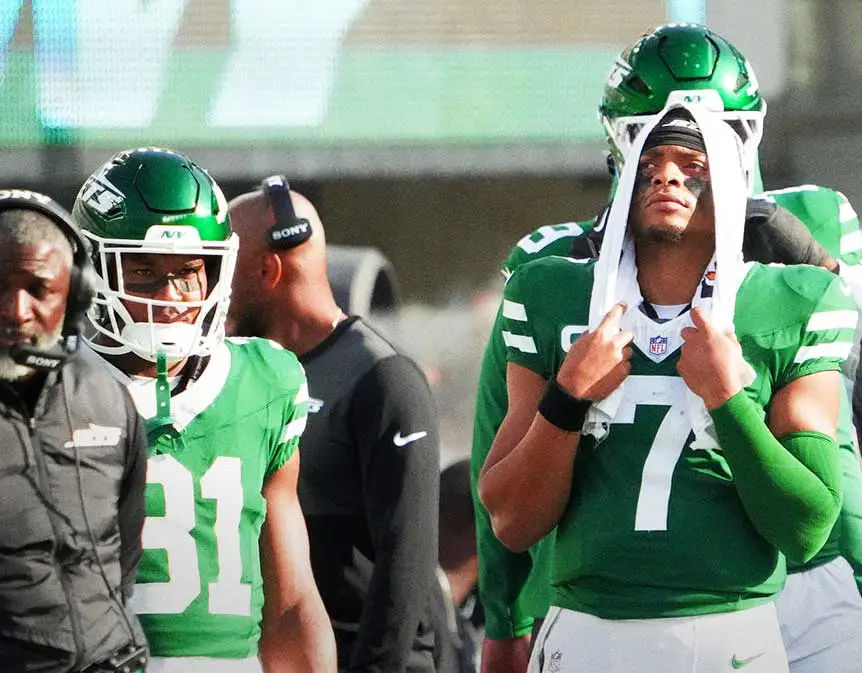
1. Justin Fields: A Talent Ruined By Bad Situations, Not Ability
Justin Fields is being benched again — this time in New York — and everyone’s acting like this is the end of the story. But the truth is simple:
We have never seen Justin Fields in a system built for Justin Fields.
He was mishandled in Chicago. He was a poor stylistic fit in Pittsburgh. He’s being misused in New York.
Fields isn’t a pure pocket quarterback, and he never will be. But he is an elite athlete with Lamar Jackson-level upside if you create an offense around:
7–15 designed QB runs
Bootlegs
RPO looks
Quick reads
Moving pockets
Sideline-hugging runs that avoid heavy contact
Every successful dual-threat QB in modern football had a system tailored to their strengths. Fields never got that.
He was drafted into chaos, traded into skepticism, and placed into systems that actively worked against his natural skillset.
In the right fit, Fields could still thrive. Just ask Lamar, Hurts, Kyler, or Josh Allen.
But the Jets aren’t the right fit — and neither were the Bears or Steelers. This one’s on coaching.

2. J.J. McCarthy: A Rhythm Quarterback Being Forced to Overthink
The Vikings drafted J.J. McCarthy 10th overall, a massive investment. And Kevin O'Connell — a smart coach with a quarterback-friendly background — clearly believes in him.
But McCarthy’s first five starts revealed something important:
He plays worse when he has too much time to think.
He plays better when the offense speeds up.
McCarthy is:
Not a true scrambling QB
But mobile enough to be dangerous
A player who thrives on rhythm
A natural instinct-based thrower
In slow, methodical, structured offenses, he tightens up. The ball sails. Reads feel heavy. Momentum evaporates.
But when the Vikings push the tempo — 2-minute drill, 4-minute offense, no-huddle — McCarthy comes alive:
Quicker decisions
Cleaner mechanics
Accurate throws
Reacting, not thinking
Playing free, not tight
His comeback drive vs. Chicago was the perfect example. He played like a seasoned veteran once the pace accelerated.
If O’Connell wants McCarthy to flourish, the offense needs:
Tempo
Simplified reads
Quicker playcalls
More rhythm-based drives
McCarthy is a clutch-flow QB, not a ball-control manager. Build the offense around his strengths — not around an idealized system.
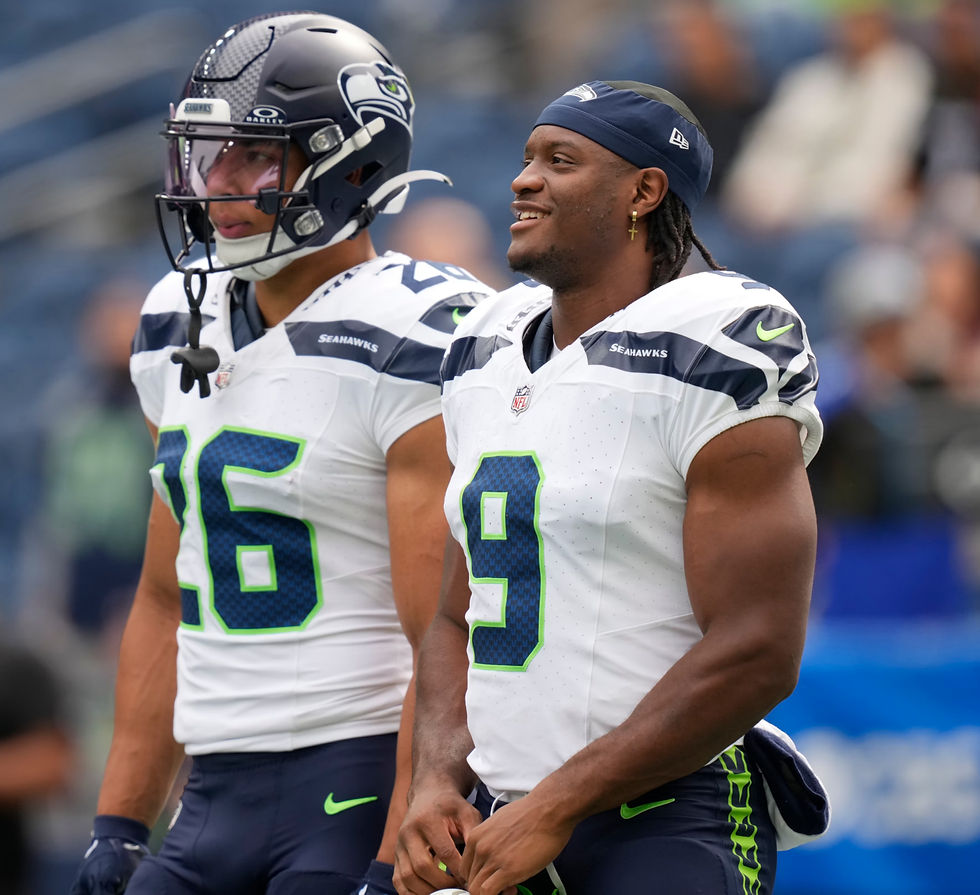
3. Seattle Seahawks: The Most Frustrating RB Usage in the NFL
From a pure football standpoint, Seattle’s RB room is strong.From a fantasy standpoint?
It’s a nightmare.
Kenneth Walker III: ~135 carriesZach Charbonnet: ~105 carries
Walker is more efficient (4.5 YPC vs ~3.8), more explosive, and more reliable.But Seattle refuses to treat him like a true RB1.
Instead, they run a pure timeshare — a 1A/1B system that makes weekly projections impossible.
Goal-line touches?Random.Drive usage?Random.Hot-hand moments?Random.
It’s bad enough from a fantasy perspective, but it also ties into a theme I’ve noticed:
Some teams are becoming intentionally unpredictable — which benefits sportsbooks and betting markets.
If you can’t predict:
Red-zone usage
Drive distribution
Touch shares
Hot-hand rotations
…you can’t reliably bet player props.
This is becoming a league-wide trend.
And Seattle is Exhibit A.

4. Buffalo Bills: The Blueprint for the NFL’s New Unpredictable Era
This Bills team is one of the strangest fantasy offenses I’ve ever watched.
Some weeks, Josh Allen looks like the MVP:
3 passing TDs
3 rushing TDs
40+ fantasy points
Other weeks? He barely cracks 8.
James Cook started the season as the best fantasy RB in football. Then the Bills abandoned the feature-back model altogether.
In week 10 Josh Allen threw to 11 different players in a single game.
And the perfect example?
Tyrell Shavers stat line was 4/90/1
A WR5/WR6 on the depth chart. Barely known. Suddenly catching a 43yrd touchdown!
That’s the Bills.
And then there’s the Keon Coleman situation:
He missed a team meeting Friday
Was benched
Announcement broke Sunday at 11:12 a.m. ET
With a 1:00–1:25 kickoff window
Fantasy managers had maybe 1–2 hours to react — and most didn’t. DFS players got burned. Season-long players got burned.
Buffalo is unpredictable by design.
This is where the NFL is heading:
Less reliance on WR1s
More distribution
Harder-to-project usage
Greater variance
More volatility
And volatility helps one group: Vegas.
If you can’t predict a WR1’s 60 yards, you can’t beat player props.
The Bills are the prototype for this new NFL chaos.

5. International Games: Growing Exposure… and Growing Problems
The NFL scheduled a record seven international games this season across five countries. The final one — Commanders vs Dolphins in Madrid — just wrapped up in Week 11.
And while the league is thrilled about “global growth,” I’m here to say:
International games hurt teams more than people realize.
It’s midseason travel. Across oceans. Across time zones. With brand-new environments. New locker rooms. New food. New routines. New distractions.
These aren’t vacationers — these are athletes who depend on meticulously controlled routines.
Some players adapt. Some don’t. Some teams treat it like business. Others get caught up in the global stage.
And the product on the field suffers.
The Madrid game? Not good football.
Washington was depleted
Jayden Daniels was hurt
Jacory Croskey-Merritt was demoted
Their offense had no identity
Miami looked disjointed
No Tyreek Hill
No Darren Waller
Tua inconsistent, as usual
And Mike McDaniel… making baffling decisions!
Including a 4th-and-goal attempt instead of a chip-shot go-ahead FG with seconds left — a moment EVERYONE questioned.
Meanwhile, Miami fired GM Chris Grier on Oct 31 — but somehow did not fire McDaniel, despite the coaching issues being far more glaring.
But all of this feeds the bigger point:
International travel exposes teams already dealing with instability.
It amplifies dysfunction.
It reduces the quality of play.
If the NFL truly pushes for weekly international games?
It will hurt:
Players
Coaches
Game quality
Competitive fairness
And fantasy/betting reliability
Teams like the Vikings and Jaguars — who travel overseas almost every year — are at a real disadvantage.
The league might gain fans overseas…But it risks losing something far more valuable:
The integrity and consistency of the actual product.
Final Thoughts: 2025 Is the Season of Coaching Tendencies
If there is one lesson I’ve learned from 2025 — it’s this:
🔥 Talent matters. But coaching tendencies matter more.
Justin Fields’ misuse. J.J. McCarthy’s tempo mismatch. Seattle’s RB chaos. Buffalo’s unpredictable target distribution. International travel draining teams midseason.
Fantasy football. Sports betting. Even real-world team success.
All of it now revolves around one thing:
How coaches think.
How they scheme.
How they adjust — or fail to adjust.
And how predictable (or unpredictable) they choose to be.
If you’re not studying coaching tendencies in 2025?
You’re already behind.


Comments